

Non-Inverter
Showing all 2 results
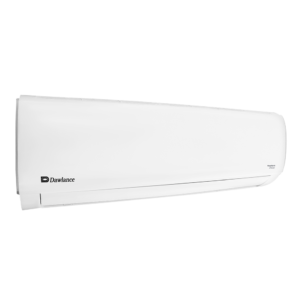
Non-Inverter Split AC: Efficient Cooling for Every Space
Non-inverter split air conditioners are a popular choice for cooling homes and offices efficiently. While they lack the variable speed compressor of inverter models, they still offer several benefits that make them a practical option for many users.
How Non-Inverter Split ACs Work
Non-inverter split ACs feature a fixed-speed compressor that operates at a constant speed to maintain the desired temperature. When the temperature rises above the set level, the compressor kicks in, and once the desired temperature is reached, it shuts off until needed again. This cycle continues, providing consistent cooling throughout the space.
Benefits of Non-Inverter Split ACs
1. Affordability:
– Non-inverter split ACs are typically more affordable upfront compared to their inverter counterparts, making them accessible to a wider range of consumers.
2. Simple Maintenance:
– With fewer complex components, non-inverter split ACs are generally easier and less expensive to maintain over time, reducing long-term costs.
3. Quick Cooling:
– These ACs can cool a room quickly, thanks to the fixed-speed compressor’s ability to operate at maximum capacity when needed.
4. Suitable for Constant Use:
– Non-inverter split ACs are well-suited for environments where the air conditioner runs continuously, such as in commercial spaces or areas with high occupancy.
5. Durability:
– The straightforward design of non-inverter split ACs often results in a longer lifespan, providing reliable cooling for years to come.
6. Availability:
– Non-inverter split ACs are widely available and come in various capacities to suit different room sizes and cooling requirements.
7. Compatibility with Existing Infrastructure:
– These ACs can often be installed without significant modifications to existing electrical systems or infrastructure, reducing installation time and costs.
8. Energy Saving Features:
– While not as energy-efficient as inverter models, some non-inverter split ACs include features like energy-saving modes and timers to help reduce power consumption.
9. Customization Options:
– Many non-inverter split ACs offer customizable settings for fan speed, airflow direction, and temperature control, allowing users to tailor their cooling experience to their preferences.
10. Remote Control Operation:
– Remote control functionality is common in non-inverter split ACs, providing convenient operation from anywhere in the room.
11. Quiet Operation:
– Despite the fixed-speed compressor, non-inverter split ACs often operate quietly, ensuring a peaceful environment for users.
12. Sustainability:
– Properly maintained non-inverter split ACs can provide efficient cooling while minimizing environmental impact, contributing to sustainability efforts.
Conclusion
Non-inverter split air conditioners offer efficient and reliable cooling solutions for homes, offices, and commercial spaces. While they may not have the advanced features of inverter models, their affordability, simplicity, quick cooling capabilities, and durability make them a practical choice for many consumers. Whether you’re looking to cool a small room or a large office space, a non-inverter split AC can provide the comfort and convenience you need at a reasonable cost.